Visual placement
Brand elements may appear as credible parts of the setting, subject to camera, edit and context.

A great story builds a world audiences believe in. When a brand genuinely belongs in that world, product placement can bring the two together with care, imagination and respect for the creative work.
Explore Product PlacementProduct placement is the intentional inclusion of a recognisable brand, product or service in an audiovisual work under an agreed arrangement. Depending on the project, it may involve a physical product, a location, a vehicle, a piece of technology or another element that supports the scene rather than disrupting it.
For brands, this can be a different form of communication from a conventional advertisement. Rather than occupying a separate commercial break, a product appears within the narrative environment. That does not mean every exposure is equally valuable, nor does it guarantee recognition, sales, distribution or audience response. Context matters.
At Big Enough Productions, we approach potential placements as a creative and commercial decision made for a specific production. We consider the setting, character behaviour, audience and feasibility before discussing terms. Opportunities may concern films, documentaries, television, music videos or suitable digital productions, including independently produced work when appropriate. This page explains the process; confidential project information is never published here.

There is no single product-placement format. A brand may appear naturally in a scene’s environment, a character may use a product during an action, or a service or real-world location may be relevant to the story. A more prominent appearance is not necessarily a better one if it feels forced or conflicts with the creative intent.
Visual presence can include packaging, signage or objects that reasonably belong in the setting. Use-based placement involves a product functioning as part of the action. References through dialogue or other expressive means demand especially careful editorial and contractual consideration. Appropriate disclosure and content rules depend on the jurisdiction and distribution medium.
Every form must be supported by the script, the available production plan and relevant permissions. We do not sell predetermined screen time, scripted dialogue or guaranteed final-cut appearances through this public website.
Brand elements may appear as credible parts of the setting, subject to camera, edit and context.
A character or participant may use a suitable product when the action makes that choice natural.
A relevant business, venue or service may support a scene when permission and narrative context allow.

An effective placement is planned, not simply dropped into a finished production. We begin by understanding the brand’s identity, target audience, practical requirements and the broad kind of content the company wants to support. The next question is whether a real production presents a credible opportunity.
If there is potential alignment, the parties can assess the proposed use, creative constraints, available materials, timing, rights, territory, supply and any compliance obligations. The producer should be able to explain which elements are within reasonable production control and which may depend on editing or distribution decisions.
Only after scope and feasibility have been established should the parties consider a project-specific agreement. Where appropriate, that agreement will identify approved brand assets, applicable permissions, financial or in-kind contributions, intended deliverables, reporting and any necessary contingencies. The production remains an independent creative work, with no public assurance of final placement before agreement.
Establish the product, audience, practical needs and the collaboration’s intended purpose.
Review the scene, story, production schedule and any required clearances.
Set out commitments, permissions, conditions and disclosures in writing.
Coordinate approved assets and assess deliverables under the actual agreement.
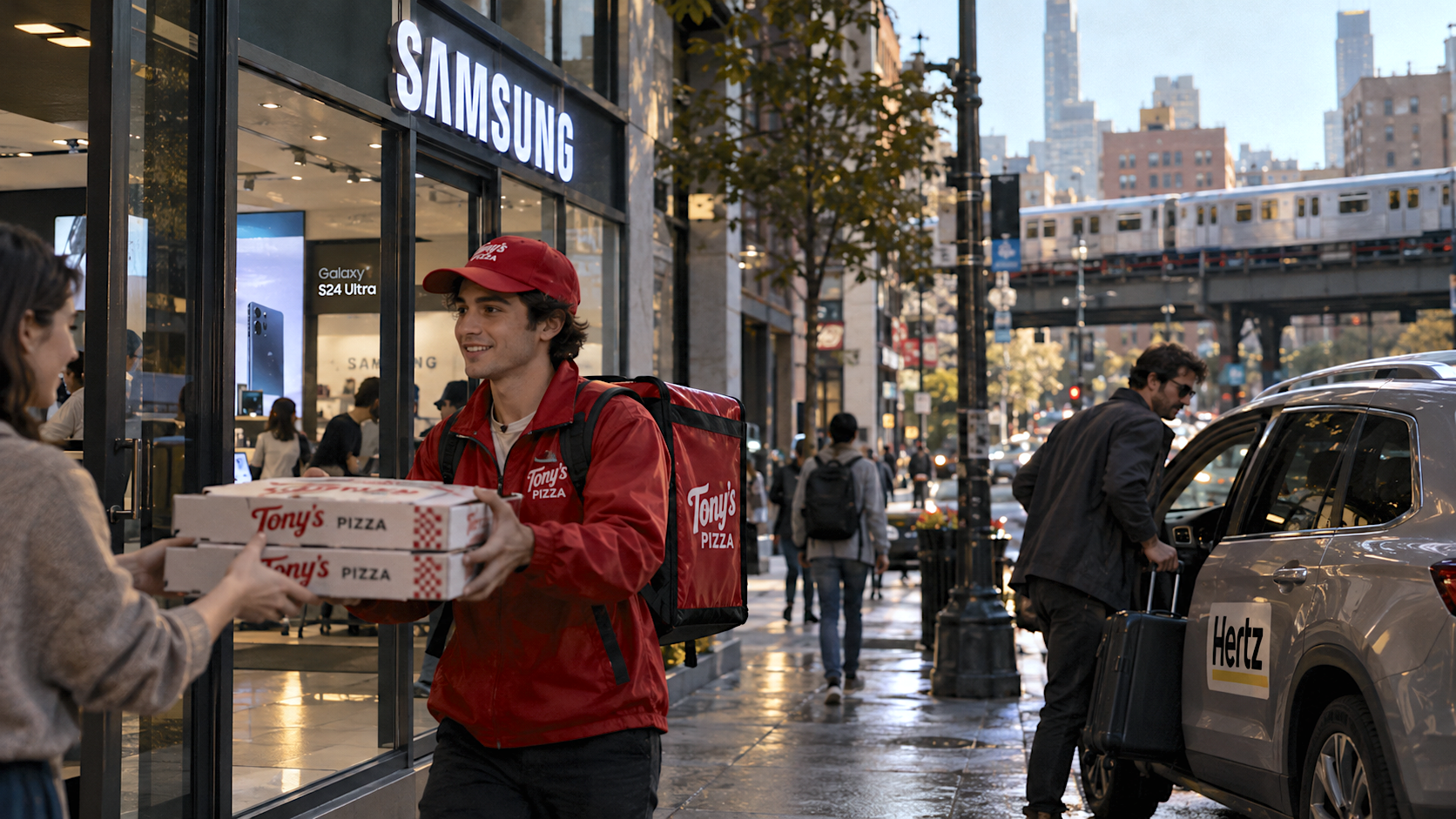
When the creative fit is genuine, a placement can associate a brand with an environment, character or subject that audiences find engaging. It can also provide a company with a fresh way to take part in cultural storytelling and, where separately agreed, support communication around the production.
The value of any arrangement depends on the nature of the work, the prominence and context of the brand, the eventual release and the audience it actually reaches. A smaller production with a highly relevant audience can be worth discussing just as seriously as a larger one, but budget alone cannot predict effectiveness.
We encourage realistic expectations and clear definitions. A placement is not automatically an endorsement by a performer or the producer; additional promotional use of a film, cast image, logo or scene requires the appropriate rights and permissions. Audience estimates, distribution plans and actual performance must be kept distinct. No financial return or exposure outcome can be guaranteed.
A brand can become part of an environment that suits its identity and audience.
The right story may offer a more memorable setting than a stand-alone advertisement.
Suitable opportunities may vary in budget, format and audience, subject to availability and agreement.
Are you representing a brand or business interested in exploring product placement? Introduce your company, product category, intended audience, approximate level of investment and any essential practical requirements. We can then assess whether a suitable professional discussion is possible.
Approved partners may receive further information through the restricted Partner Access area. Access is permission-based and does not mean an offer, commitment, guaranteed placement or access to every production in development. Please do not send unsolicited scripts or confidential creative ideas through general enquiry channels.